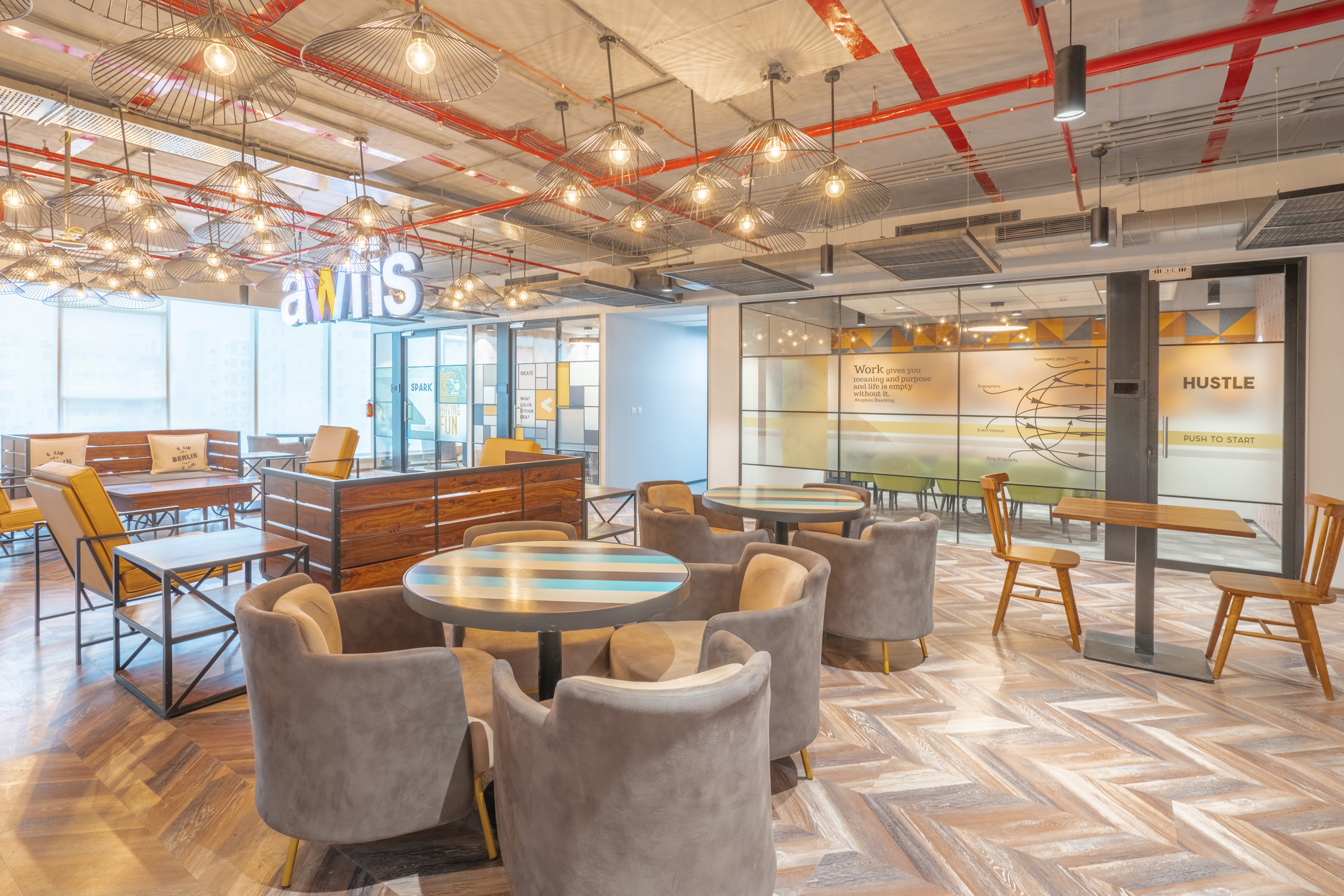
Walk into any modern office today and you’ll notice something immediately. People aren’t glued to fixed desks anymore. Teams move around, ideas flow across tables, and the room feels alive. This shift is driven by a simple but powerful change in workplace design: flexible seating.
Companies across industries are rethinking their office layouts, choosing collaborative workspaces and creative coworking spaces over rigid setups. And as more teams adopt flexible seating, its impact on collaboration and creativity has become hard to ignore.
Flexible Seating Benefits: Why It Works
Flexible seating benefits go beyond the freedom to pick a chair or corner you like. The entire idea is built around supporting how people actually think, interact, and build ideas together.
It Brings People Closer, Naturally
In traditional layouts, people sit with the same neighbours every day. Conversations become predictable. With flexible seating, movement creates new interactions. You might sit next to someone from another project, spark an idea, or discover a solution you didn’t expect. This natural mixing is one of the biggest strengths of collaborative workspaces.
It Supports Different Working Styles
Ideas don’t arrive on command. Sometimes you need a quiet nook. Sometimes you need the buzz of a group. Creative coworking spaces offer everything from lounge seating to open tables and semi-private zones. Each spot helps unlock a different kind of thinking, which is why flexible seating is so effective for brainstorming and problem-solving.
It Helps Teams Share Information Faster
When people aren’t tied to one corner of the office, teamwork feels lighter. Updates happen quickly. Decisions don’t wait for formal meetings. Being able to sit with the people you need, when you need them, is one of the most underrated flexible seating benefits.
It Reduces Hierarchy in the Workplace
Flexible seating quietly removes barriers. Leaders aren’t hidden in cabins. Juniors aren’t restricted to one section. Everyone sits where work demands, not where designations place them. This shifts the energy of the room and gives collaborative workspaces a sense of openness that encourages new ideas.
It Makes the Office Feel More Human
Teams feel comfortable when they can choose how they work. When people feel comfortable, they think better, connect better, and create better. That’s why you often find the best conversations happening in shared zones inside creative coworking spaces.
How Creative Coworking Spaces Build Better Ideas
There’s a reason startups, freelancers, and even large companies choose creative coworking spaces. These spaces are designed for movement. They have varied seating zones, vibrant décor, and social corners that spark conversation. People walk in with a focused task and walk out with something more—fresh perspective.
The best coworking environments also encourage community learning. Whether it’s casual chats, impromptu brainstorming, or seeing how others work, the experience naturally enriches your own ideas.
Flexible Seating in Collaborative Workspaces: The Cultural Advantage
Beyond creativity and collaboration, flexible seating changes the culture of a workspace:
- It promotes curiosity
- It builds openness
- It encourages teamwork
- It teaches adaptability
- It supports hybrid work
When teams shift seating every few days, they learn to communicate better, share space respectfully, and collaborate as equals. This mindset is what separates traditional offices from high-energy collaborative workspaces.
Who Benefits the Most?
Flexible seating is a strong choice for:
- Creative teams
- Remote-first companies
- Fast-growing startups
- Businesses experimenting with hybrid work
- Organisations working on cross-functional projects
In each case, the workplace becomes lighter, more interactive, and better aligned with changing priorities.
FAQs
Q. What makes flexible seating benefits better than fixed seating?
Flexible seating benefits teams by improving interaction, reducing isolation, and giving employees the freedom to choose the right spot for their tasks.
Q. Why are collaborative workspaces becoming more popular?
Collaborative workspaces help teams share ideas quickly, work side by side, and reduce hierarchy, making problem-solving faster and more social.
Q. How do creative coworking spaces help with creativity?
Creative coworking spaces offer varied seating, vibrant environments, and diverse communities that naturally spark new ideas.
Q. Is flexible seating suitable for hybrid teams?
Yes. Hybrid teams thrive in flexible seating environments because the workspace adapts to who is present on any given day.
Q. Are collaborative workspaces helpful for small teams?
Absolutely. Small teams benefit from the energy, variety, and informal collaboration opportunities that these spaces encourage.


