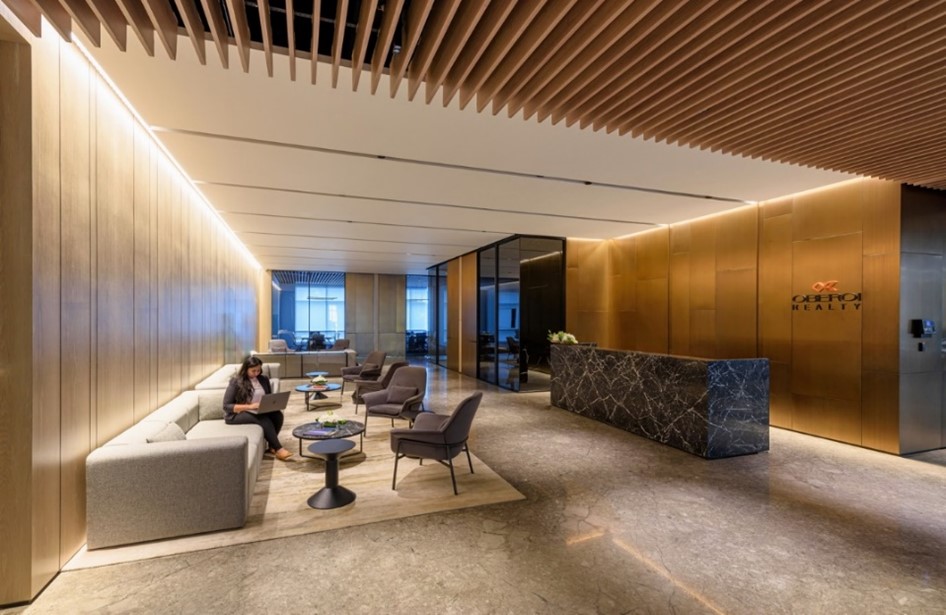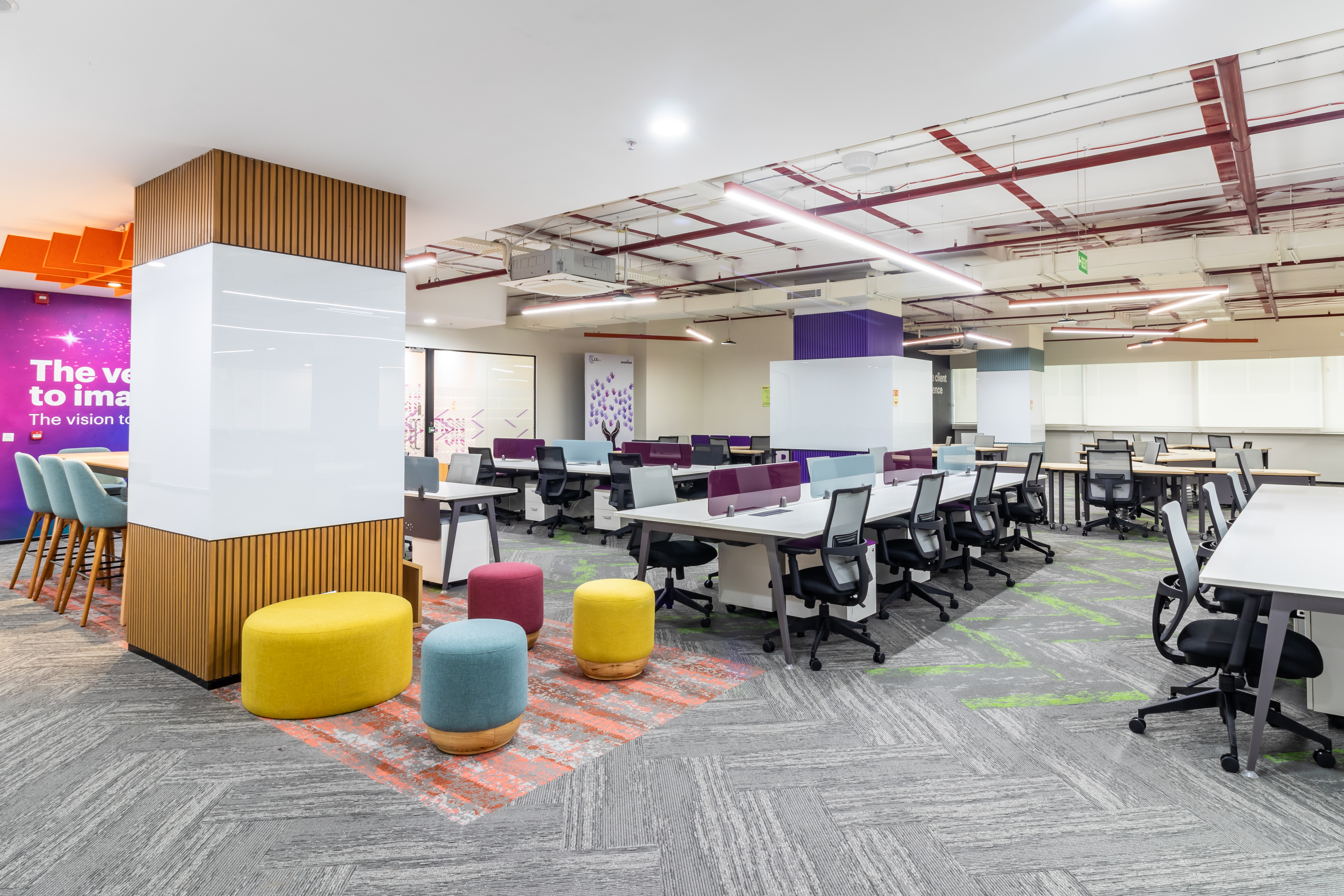
Not too long ago, choosing an office space was a fairly straightforward decision. You found a building, signed a lease, furnished it, and got to work.Today, that approach feels a little outdated.
As businesses grow faster, teams change shape more often, and work becomes less tied to a single location, enterprises are starting to look at offices very differently. They no longer want just a physical space. They want something that adapts with them.
That’s where managed office space quietly steps in and changes the game. More and more companies are choosing to rent managed office space, not because it’s trendy, but because it genuinely makes business easier. Let’s understand why.
What Exactly Is a Managed Office Space?
At its core, a managed office is a fully set-up, professionally run office space that’s built specifically for one company and taken care of end-to-end by the workspace provider.
Instead of handling everything yourself interiors, IT, security, housekeeping, maintenance you walk into a space that’s already ready for your team to start working.
Think of it as having your own office, but without the usual headaches that come with running one.
In a managed office, you typically get:
- A layout designed around your team size and workflow
- Dedicated meeting rooms and cabins
- IT and networking already in place
- Facility management handled for you
- One predictable monthly cost instead of scattered bills
Which is why many enterprises now see managed offices not as a real estate option, but as a business decision.
Why Are Enterprises Moving Away from Traditional Offices?
Traditional office spaces come with a long list of responsibilities and not all of them add value to your core business.
From chasing vendors to fixing internet issues, from handling compliance to managing housekeeping staff, a surprising amount of leadership time goes into running the office itself.
With our enterprise office solutions, all of this quietly moves into the background. And that’s exactly what modern enterprises want: Less time managing space. More time growing the business.
Does Renting Managed Office Space Actually Save Money?
In most cases, yes and not just in obvious ways.
When you rent managed office space, you avoid:
- Heavy interior fit-out costs
- Large upfront deposits for equipment and furniture
- Hiring or outsourcing facility teams
- Ongoing maintenance surprises
Instead, you get a clear, bundled monthly cost that covers everything from power backup to pantry services.
What’s often overlooked is not just the money saved, but the predictability gained. Finance teams love that. So do founders and CXOs.
Why Flexibility Matters More Than Ever
Very few enterprises today can accurately predict their team size or space requirements two years in advance. Business needs fluctuate constantly. Some quarters see aggressive hiring, while others demand consolidation. Certain teams shift to hybrid models, and some even move to remote-first setups.
Managed offices allow companies to respond to all these changes without the friction of breaking leases or relocating entirely. Whether a business needs 30 more seats next month or wants to reduce space after a project concludes, it is far simpler in a managed setup than in a traditional one.
That is a big reason why enterprises are increasingly choosing this model. It moves at the same pace as their business.
Also Read- Why Flexible Seating Improves Collaboration and Creativity?
Are Managed Offices Suitable for Large Enterprises?
Absolutely and this is where many people still underestimate them.
Today’s managed offices are built with enterprise-grade requirements in mind. That means:
- Secure access systems
- Reliable internet with redundancy
- Compliance-ready infrastructure
- Dedicated support teams on-site
- High-quality meeting and boardroom spaces
In other words, they aren’t just flexible. They’re dependable too.
Our enterprise office solution is for companies that care about continuity and security as much as convenience, that balance is crucial.
What About Customisation? Isn’t It All Standardised?
This is another common myth.
Modern managed offices are far from “one-size-fits-all”.
Enterprises can customise:
- Cabin-to-desk ratios
- Collaboration and breakout zones
- Branding across the workspace
- Special rooms for leadership, sales, or client meetings
The result is an office that feels like your own, not something you’re adjusting yourself to.
And that sense of ownership matters, especially for larger teams.
How Do Managed Offices Improve the Day-to-Day Employee Experience?
Office spaces directly influence how people feel at work even if they don’t consciously realise it.
Managed offices tend to invest heavily in:
- Better lighting and ventilation
- Ergonomic furniture
- Thoughtful layout planning
- Cafeterias and informal meeting zones
- Wellness and comfort features
For employees, this translates into fewer daily frustrations and a more pleasant workday overall.
For enterprises, that often means better retention, higher engagement, and a stronger employer brand without having to build all of it from scratch.
Speed: An Underrated Advantage
Ask anyone who’s set up a traditional office timelines almost always stretched. With managed offices, enterprises can often move in within weeks instead of months.
This becomes especially valuable when:
- Entering a new city
- Launching a new vertical
- Expanding teams quickly
- Testing a new market
In many cases, speed itself becomes a competitive advantage.
Who Should Seriously Consider Managed Office Space to Rent?
Managed offices are particularly well-suited for:
- Enterprises expanding into new locations
- Companies scaling fast and unpredictably
- Businesses shifting towards hybrid work
- Organisations wanting to stay asset-light
- Teams that don’t want office operations to become a distraction
For all of them, looking for managed office space to rent is less about real estate and more about building operational agility.
How Managed Offices Fit into the Future of Work
Work today is no longer tied to a fixed desk or a fixed city.
Managed offices support this shift beautifully by allowing:
- Distributed teams across locations
- On-demand meeting spaces
- Dynamic seating models
- Lower real estate risk
They allow enterprises to stay flexible without sacrificing structure something traditional offices struggle to offer.
Final Thoughts
Managed office space is not just a new format of renting offices. It represents a shift in how enterprises think about workspaces altogether.
It brings together:
- Business flexibility
- Cost control
- Operational simplicity
- Employee comfort
- Enterprise-grade reliability
And that combination is exactly why more modern enterprises are choosing this route.
If your organisation is rethinking how and where it works, exploring managed office space may not just be a real estate decision it might be a strategic one.