Walk into any modern office today and you’ll notice something interesting. Very few of them look or function the way offices did even five years ago.
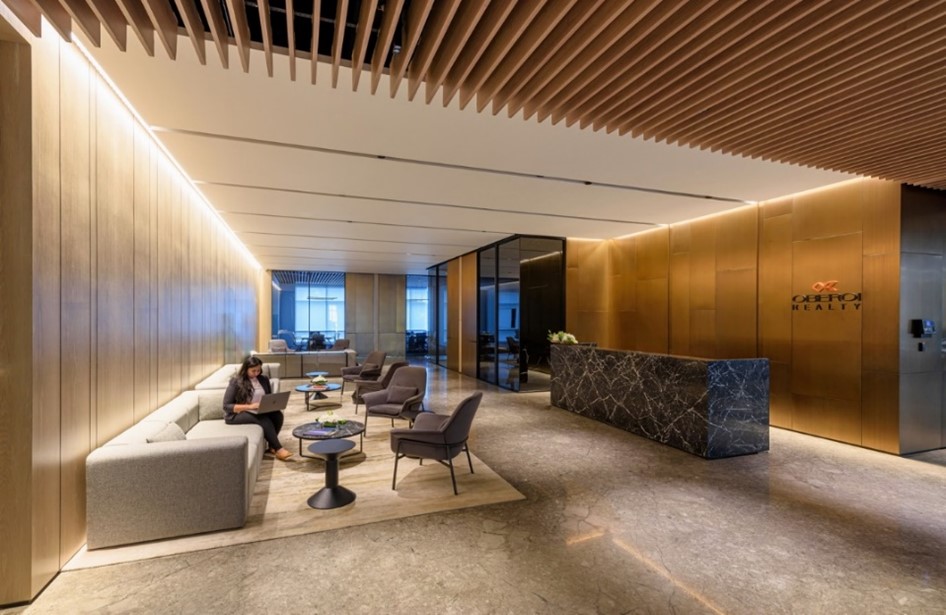
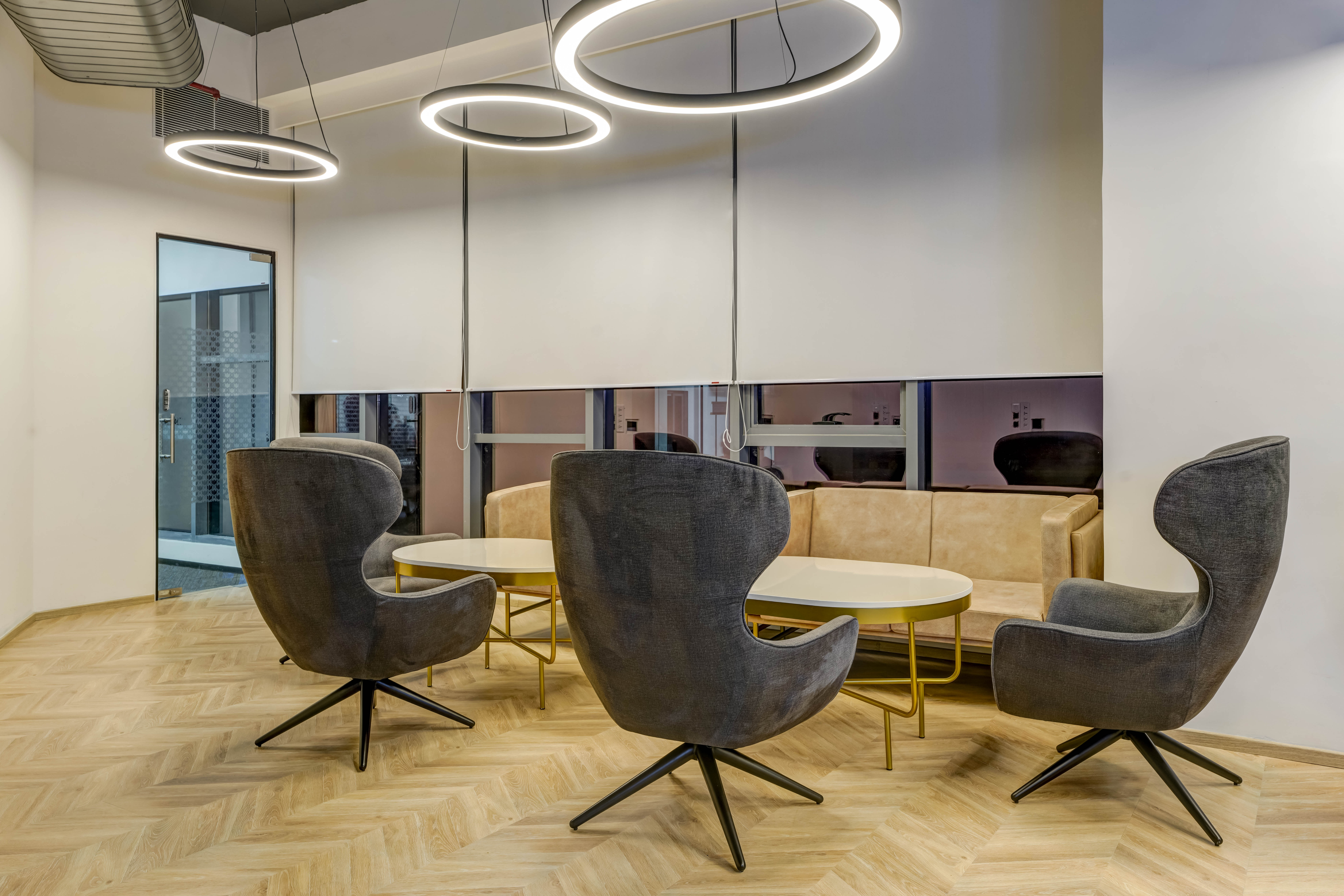
Desks are no longer lined up in neat rows. Not everyone has a fixed seat. Some people are on calls in quiet booths, others are huddled around high tables, while a few are working from couches or cafe-style corners. This isn’t chaos. It’s the new logic of hybrid work.
And at the centre of it all is one critical question: How do you design an office seating arrangement that actually works when everyone isn’t in the office every day?
Let’s explore what makes a seating layout truly effective in a hybrid world.
Why Office Seating Feels More Complicated Now (and Why That’s a Good Thing)
Earlier, office seating was simple. One person, one desk. But hybrid work has blurred that equation.
People now come in on different days, for different reasons, some for meetings, some for focused work, some just to reconnect with their teams. This means office seating can no longer be just about accommodating people. It has to support how they work.
And that’s where many offices struggle; they redesign the space, but not the thinking behind it.
Before You Rearrange Desks, Ask These Questions
Good seating layouts don’t start with furniture. They start with understanding behaviour.
Take a moment to think about:
- How many people are usually in the office on a typical day?
- Which teams actually need to sit together?
- Who needs quiet more than collaboration?
- How much of your work is virtual vs. in-person?
These answers will quietly shape your seating better than any trend ever will.
There Isn’t One Perfect Layout And That’s the Point
One of the biggest mistakes companies make is looking for a single “ideal” seating format.
In reality, hybrid offices work best when they combine multiple styles.
Also Read: Understanding the Various Kinds of Office Spaces
Here are some common types of seating arrangement in office spaces today and where each fits naturally:
Fixed Seating
Still relevant for leadership roles or teams handling sensitive work that needs consistency and privacy.
Shared or Hot Desking
Perfect for teams that don’t come in every day and don’t need permanent desks.
Activity-Based Seating
Where people choose where to sit depending on what they’re doing calls, focus work, brainstorming, or informal chats.
Team Clusters
Grouped seating for teams that collaborate frequently and benefit from proximity.
Most modern offices don’t pick just one of these. They blend them thoughtfully.
What Makes a Corporate Office Seating Arrangement Actually Work?
A corporate office seating arrangement is successful when it quietly solves problems instead of creating new ones.
Here’s what tends to make the difference:
Think in Zones, Not Just Desks
Instead of asking “How many desks can we fit?”, start asking:
- Where will people collaborate?
- Where will they focus?
- Where will they take calls?
Once those zones are clear, the desks fall into place naturally.
Don’t Design for Everyone Being Present at Once
This is one of the most common and expensive mistakes.
Hybrid offices rarely operate at full capacity every day. Designing for 100% attendance usually leads to:
- Empty desks
- Underused areas
- Higher real estate costs
Designing for realistic daily occupancy creates better space and better economics.
Comfort Is Not a Luxury It’s a Strategy
If people don’t feel comfortable in your office, they won’t want to come in. It’s that simple.
Good chairs, adjustable desks, proper lighting and enough personal space aren’t “nice to haves” anymore. They directly affect:
- How long people stay
- How focused they are
- How often they choose the office over home
Movement Matters More Than You Think
A good seating arrangement also allows people to move easily.
Crowded layouts, narrow aisles, or desks placed too close together make even a beautiful office feel stressful.
A layout that breathes with clear walkways and visual openness instantly feels more inviting.
How Seating Can Encourage Better Collaboration
One mistake many offices make is pushing everyone into open spaces in the name of collaboration.
True collaboration happens when:
- Teams who need to work together are close
- Informal seating allows quick conversations
- Quiet areas protect people who need focus
The goal is not to make everyone talk but to make talking easy when needed.
The Role of Technology in Modern Office Seating
Today, where you sit is closely tied to how easily you can work.
That’s why modern seating layouts now integrate:
- Desk booking systems
- Power access at every seat
- Smart meeting room scheduling
- Real-time occupancy visibility
This allows employees to move freely without worrying about where they’ll plug in, connect, or take their next call.
Why Office Design and Build Plays a Bigger Role Than You Think
Seating alone doesn’t define an office experience.
It only works when the entire workspace is designed with intent.
A strong office design and build approach ensures that:
- Seating works with acoustics, lighting, and airflow
- Collaboration zones aren’t noisy
- Quiet spaces actually feel quiet
- The office can adapt as teams grow or change
When design and execution come together, seating stops being just furniture placement and becomes part of your workplace strategy.
A Few Mistakes Worth Avoiding
Even beautifully designed offices can get seating wrong. Some common pitfalls include:
- Copying layouts from other companies without understanding your own needs
- Ignoring how employees actually use the space
- Overcrowding desks at the cost of comfort
- Forgetting the importance of quiet zones
- Treating hybrid work as temporary instead of permanent
Avoiding these keeps your layout relevant longer.
What Does the “Ideal” Seating Arrangement Really Look Like?
It doesn’t follow a template. An ideal office seating arrangement is one that:
- Reflects how your teams really work
- Feels natural, not forced
- Makes coming to office feel worth it
- Adapts as your organisation evolves
In a hybrid world, the best offices aren’t the ones that fit the most desks. They’re the ones people actually enjoy working in. And when that happens, productivity, culture, and collaboration follow naturally.